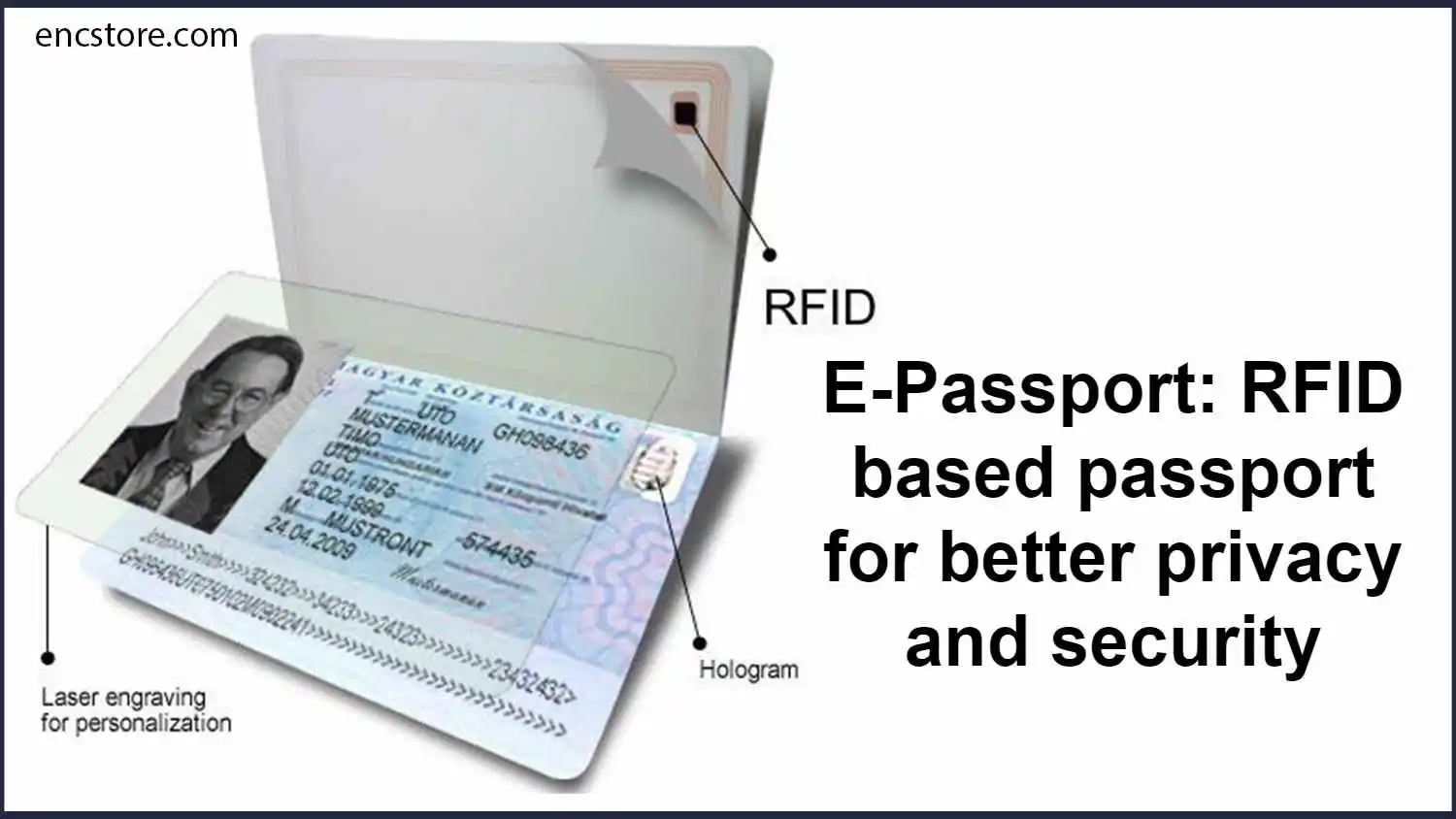
In the evolving landscape of border security, e-passports have integrated facial recognition as a core component of automated border control systems, known as e-gates. These systems compare the live face of a traveler against the digital portrait embedded in the passport’s chip, relying on sophisticated deep learning models for verification. However, the rapid advancement of artificial intelligence has introduced a new class of threats: adversarial attacks. These subtle, often imperceptible manipulations to passport photos or live captures can deceive even state-of-the-art facial recognition algorithms, potentially allowing unauthorized entry or identity fraud on a scale previously unimaginable.
By 2026, researchers and security experts warn that such attacks could become practical tools for forgers, criminals, and even state actors. Unlike traditional forgeries that alter physical documents, adversarial techniques exploit the mathematical vulnerabilities of neural networks themselves.
Understanding Adversarial Examples in Facial Recognition
Adversarial examples are inputs—images in this case—crafted with tiny, targeted perturbations that cause a model to misclassify them with high confidence. In the context of passports, an attacker might generate a photo that the e-gate system matches to a different (legitimate) identity stored in the database.
Recent studies, including comprehensive surveys of deep face verification systems, highlight how these attacks can achieve high success rates against models used in border control and identity documents. Physical adversarial patches—small stickers or printed patterns—can be added to glasses, hats, or even the photo page itself to induce misclassification while remaining largely unnoticed by human inspectors.
Digital-domain attacks are even more concerning for online passport renewal or application processes, where photos are uploaded remotely. Generative adversarial networks (GANs) and diffusion models now enable the creation of highly realistic altered portraits that fool authentication pipelines.
The Shift to Physical and Hybrid Attacks Targeting E-Gates
While early adversarial research focused on digital images, attention has shifted toward real-world scenarios relevant to passports. Techniques like “omni-angle” physical attacks using invisible ultraviolet patterns or adversarial patches have demonstrated the ability to evade detection across multiple angles and lighting conditions—critical for e-gates that capture faces under varying airport environments.
In border settings, a forger could submit an adversarial passport photo during issuance or renewal that systematically fools the matching algorithm at departure or entry. Combined with morphing attacks—where one passport photo blends features of multiple individuals—such methods could allow several people to use the same document, a vulnerability already flagged in ICAO-compliant systems.
The rise of generative AI in 2025–2026 has amplified these risks, with synthetic passports and deepfake-enhanced portraits bypassing liveness checks in some setups.
Real-World Implications: From Terrorism to Exploitation
The consequences extend far beyond simple fraud. Forged or adversarially manipulated travel documents have long enabled serious crimes, including terrorism facilitation and human trafficking. Adversarial techniques could supercharge these threats by undermining automated biometric gates that process millions of travelers annually.
For instance, discussions around how forged documents enable modern slavery highlight the devastating human cost when identity verification fails at borders. Similarly, analyses of citizenship-by-investment programs reveal loopholes that already fuel black-market passport trades—adversarial AI could make such illicit documents harder to detect at automated checkpoints.
Even more alarmingly, forensic document examiners, often seen as the last line of defense, may struggle to spot these manipulations, as the perturbations are designed to be invisible to the human eye.
Defenses and the Race Against Emerging Threats
Countermeasures are emerging but lag behind attack innovation. Presentation attack detection (PAD), multi-modal biometrics (combining face with iris or fingerprints), and adversarial training of models offer partial resilience. Some jurisdictions are exploring quantum-resistant hashing for biometric templates and stricter photo submission protocols to prevent digital tampering.
Yet experts caution that without standardized benchmarking against adversarial examples—similar to datasets now being developed for synthetic documents—many deployed systems remain exposed. The 2025–2026 period may mark a tipping point where AI-driven attacks move from academic demonstrations to real incidents.
Conclusion: Preparing for an Adversarial Future
As facial recognition becomes ubiquitous in passport authentication, the window for exploiting neural network weaknesses narrows—but so does the margin for error. Forgers equipped with accessible AI tools could soon challenge the integrity of global mobility systems. Policymakers, border agencies, and technology providers must prioritize adversarial robustness testing now, before high-profile breaches erode public trust in biometric security.
For deeper reading on related vulnerabilities in travel documents:
- Explore how citizenship-by-investment programs inadvertently fuel the forged passport trade, creating markets where adversarial techniques could thrive.
- Read about .
- Learn how forged documents underpin modern slavery networks.
- Discover the meticulous work of forensic document examiners guarding against sophisticated forgeries.
- And examine the shadowy world where advanced document fraud operates today.
Only by understanding both traditional and AI-powered threats can we hope to stay ahead in securing identity at the border.
About the Author


