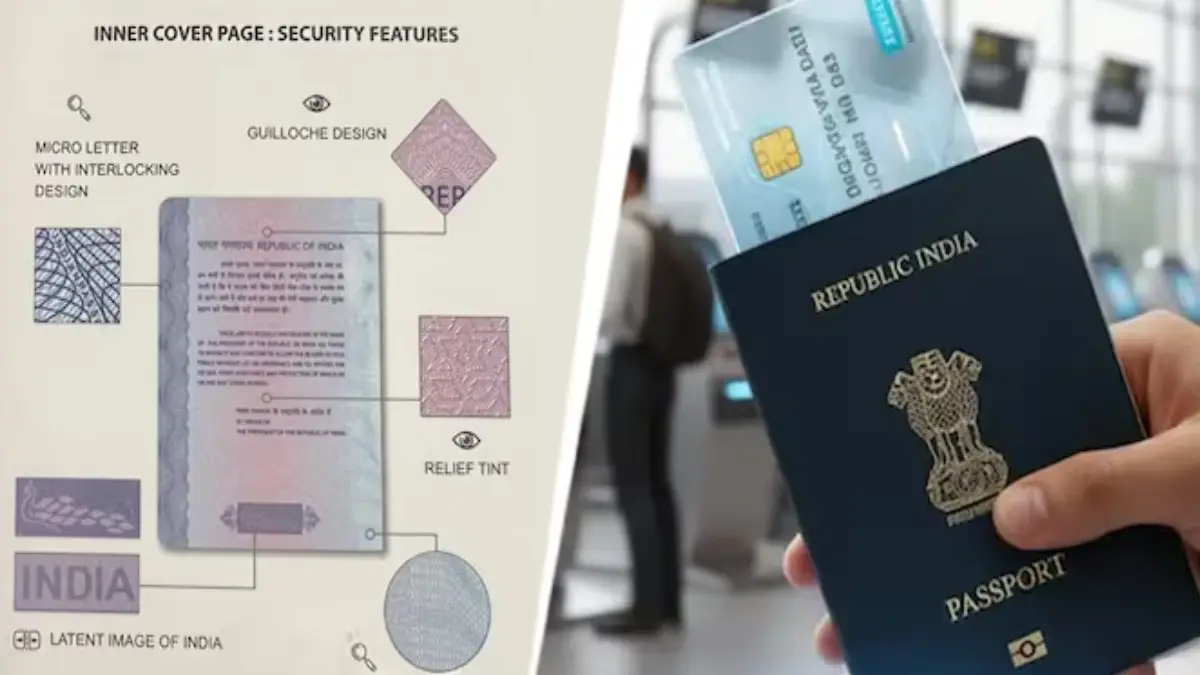
Biometric passports, also known as ePassports or eMRTDs (electronic Machine Readable Travel Documents), rely heavily on public key cryptography to secure the data stored on their embedded chips. Algorithms such as RSA and ECC (Elliptic Curve Cryptography) protect passive authentication, active authentication, and extended access control protocols defined by ICAO Doc 9303. These mechanisms ensure that border officials can verify the integrity and authenticity of the document without forgery risks. However, the rise of quantum computing changes this landscape dramatically.
Quantum computers, using algorithms like Shor’s, could efficiently break the mathematical foundations of current asymmetric cryptography. This would allow attackers to forge digital signatures on passport data, potentially creating undetectable counterfeit documents. As of 2026, no large-scale cryptographically relevant quantum computer exists, but experts estimate breakthroughs could occur within the next decade, making migration to quantum-resistant (post-quantum) cryptography an urgent priority.
The Current State of Passport Cryptography and Emerging Threats
Today’s ePassports use a Public Key Infrastructure (PKI) managed by national authorities and coordinated through ICAO’s framework. Digital signatures on the Signed Object Directory (SOD) and chip authentication rely on classical algorithms that are vulnerable in a post-quantum world. Research and prototypes already demonstrate the impact: lattice-based schemes like Dilithium and Falcon offer strong resistance but come with larger key sizes and signatures, challenging the limited storage on passport chips (often 32-144 KB total).
Countries like Germany have advanced prototypes, combining hybrid classical and post-quantum approaches on ID chips. The EU’s PQC4eMRTD initiative and projects by Thales and others explore high-capacity chips to accommodate these changes. Despite progress, global adoption remains fragmented due to interoperability needs across 190+ nations.
The threat extends beyond theoretical attacks. “Harvest now, decrypt later” strategies mean encrypted passport communications intercepted today could be broken retroactively once quantum capabilities mature. This timeline mismatch creates real urgency for migration planning.
Challenges in Migrating to Post-Quantum Standards
Transitioning involves more than swapping algorithms. Passport lifecycles last 5–10 years, so documents issued in 2026–2028 will still be in circulation well into the 2030s. Backward compatibility is essential: new quantum-resistant passports must work with existing border control systems that may not yet support post-quantum verification.
Storage constraints on chips pose another hurdle. NIST-standardized algorithms such as ML-KEM, ML-DSA, and SLH-DSA produce larger signatures than ECC equivalents, sometimes doubling or tripling the required space for EF.SOD files. Hybrid schemes—using both classical and post-quantum signatures—offer a bridge but increase complexity and processing time during border checks.
Standardization efforts by ICAO’s NTWG (New Technologies Working Group) and ISO are underway, with sub-groups dedicated to post-quantum integration. Proof-of-concepts show feasibility, but full global rollout requires synchronized updates to PKI, reader hardware, and international agreements.
Global Efforts and the Risk of Falling Behind
Several nations and organizations lead the charge. Germany’s Bundesdruckerei demonstrated quantum-secure ID concepts in 2025, while initiatives like PQC4eMRTD aim to protect ePassports specifically. Thales advocates hybrid cryptography with upgraded chips to future-proof identity documents.
Broader context reveals additional pressures on document security. Instability in certain regions fuels black markets for forged passports, complicating efforts to maintain trust in global travel documents. For deeper insight into how failed states contribute to this ecosystem, see Failed States as Document Factories: How Instability Fuels the Global Passport Black Market. International cooperation remains critical, as highlighted in discussions of The Global Watchdog: Inside Interpol’s Battle Against Document Fraud.
Emerging technologies add layers of complexity. Cryptocurrency has inadvertently supported forgery networks by enabling anonymous payments for high-quality fakes. Explore this intersection in Digital Currency, Physical Deception: How Cryptocurrency Revolutionized the Passport Forgery Trade. These trends underscore why quantum-resistant upgrades must occur swiftly to avoid amplifying existing vulnerabilities.
The 2030 Deadline: Are We Already Behind Schedule?
Timelines proposed by NIST, EU recommendations, and national bodies point to critical windows: deprecation of vulnerable algorithms around 2030 and full disallowance by 2035 in many sectors. For passports, the ICAO community discusses similar horizons, but implementation lags due to the need for consensus and hardware upgrades.
If quantum breakthroughs arrive earlier than anticipated—possible given rapid advances in the field—passports issued today without hybrid or post-quantum elements could become insecure long before expiration. Governments face tough choices: accelerate costly migrations now or risk widespread exposure later.
The question is no longer “if” but “how fast.” Without coordinated, aggressive action, the biometric passport system—trusted for secure international travel—could face its most significant vulnerability since the introduction of e-chips two decades ago. The window to prepare for post-2030 security narrows every day.
About the Author


