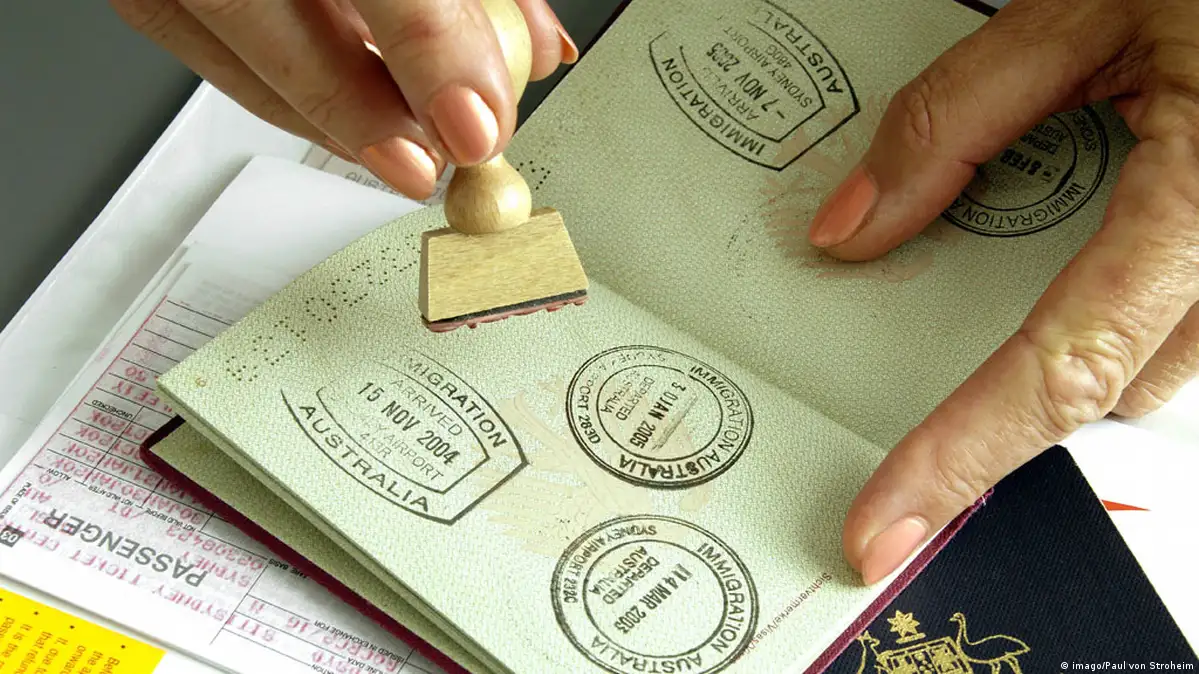
The modern job market operates on a fundamental assumption: the qualifications listed on a resume and in verified credentials are genuine. Yet this assumption has become increasingly dangerous. Every day, hiring managers across the globe process applications from candidates presenting forged diplomas, fake professional certifications, and counterfeit credentials—often without realizing the authenticity of these documents. This silent epidemic in employment fraud costs businesses billions of dollars annually and poses significant risks to public safety, professional standards, and economic integrity.
The Scale of the Problem
The credentials fraud market has become alarmingly sophisticated and widespread. Industry estimates suggest that between 40-85% of job applicants misrepresent their educational background or professional qualifications to some degree, with outright forgery constituting a growing subset of these claims. When candidates present entirely fabricated diplomas from prestigious universities or false professional certifications—such as engineering licenses, medical credentials, or software development certifications—employers face consequences that extend far beyond financial loss.
What makes this crisis particularly acute is the normalization of credential inflation. In competitive job markets, candidates feel pressure to exaggerate or falsify their qualifications simply to pass initial screening processes. The problem has evolved from isolated cases of individual deception to organized credential trafficking networks that operate with industrial efficiency, supplying thousands of forged documents annually to job seekers across multiple continents.
The financial impact is staggering. Organizations that hire overqualified-on-paper but underqualified-in-reality employees experience hidden costs in productivity losses, project failures, and subsequent rehabilitation and retraining expenses. In high-stakes industries, the consequences can be catastrophic.
How Forged Credentials Bypass Verification Systems
One of the most troubling aspects of employment fraud is how easily sophisticated forgeries slip past corporate verification processes. Many companies rely on outdated or incomplete background check procedures, trusting third-party verification services that themselves may have significant gaps in their authentication protocols. As detailed in an important investigation into document verification loopholes, criminal entrepreneurs have systematically identified and exploited weaknesses in institutional credential verification systems.
The vulnerability stems from several factors. First, educational institutions—particularly smaller colleges and vocational schools—often lack robust digital record-keeping systems, making it difficult for employers to verify degrees with certainty. International credentials present an even greater challenge, as verification processes may require contacting institutions in foreign countries with limited digital infrastructure. Second, professional certification bodies sometimes maintain inadequate databases, or these databases may be accessible only through slow, bureaucratic channels that don’t align with modern hiring timelines.
Forgers have become remarkably adept at understanding these systemic failures. They create not just fake diplomas, but entire documentation packages that can withstand initial scrutiny. Phishing-based verification attempts, where criminals impersonate educational institutions to “confirm” degrees, further complicate employer verification efforts. The sophistication of modern forgeries—from security features to institutional letterhead and even holograms—means that visual inspection alone is no longer sufficient.
The Ripple Effects on Industries and Institutions
The consequences of employment fraud through fake credentials extend far beyond individual employers. Entire industries face reputational damage and operational risk when employees occupying sensitive positions are discovered to lack legitimate qualifications. In the financial services sector, hiring someone with a fraudulent MBA or fake CFA certification can expose the organization to regulatory penalties, client losses, and litigation. In healthcare, the stakes are literally life-and-death: nurses with forged credentials, therapists without legitimate licenses, or medical technicians with falsified certifications directly endanger patient safety.
Professional licensing bodies in regulated industries face particular strain. When a software engineer with a fake computer science degree causes a critical system failure, when an accountant with forged credentials causes a financial scandal, or when a construction supervisor without proper qualifications causes workplace accidents, the repercussions affect everyone in those professions. Trust in credentials themselves becomes eroded, and organizations must invest heavily in supplementary verification measures.
Universities and educational institutions suffer collateral damage to their reputations when their credentials are forged. Employers may become skeptical of graduates from institutions that have experienced large-scale credential fraud, and the credential market itself becomes destabilized. In some cases, entire degree programs become suspect when a handful of fraudulent graduates are discovered in critical positions.
Organizational Vulnerability: The Cost of Due Diligence Failures
Employers who fail to implement rigorous credential verification systems place themselves in a precarious position both legally and operationally. Companies that hire employees with forged credentials without conducting thorough background checks expose themselves to wrongful termination lawsuits when the fraud is discovered, liability claims when these unqualified employees perform poorly or dangerously, and regulatory penalties if the fake credentials relate to compliance positions.
The cost of remedying a credential fraud case can be substantial. Organizations must conduct investigations to determine how long the employee worked without proper qualifications and what damage may have resulted. They may need to audit work completed by the fraudulent employee, potentially redoing significant projects at great expense. In regulated industries, they must report the incident to relevant authorities and may face fines or sanctions.
Furthermore, the reputational damage can be severe. News coverage of credential fraud cases at major corporations damages employer branding and makes future recruiting more difficult. Employees within the organization lose faith in hiring practices and management’s ability to maintain standards. Clients or customers who relied on the expertise of disqualified personnel may pursue legal action.
There is also the question of negligent hiring liability. If an organization knows—or should have known—that its verification processes were inadequate, and subsequently an employee with forged credentials causes harm, the organization may be held liable. This liability can extend to third parties affected by the employee’s actions.
Public Safety Implications and Regulatory Gaps
The most alarming dimension of employment fraud through fake credentials involves public safety. When individuals with forged qualifications enter positions of responsibility, potential harms range from financial fraud to actual physical danger to the public. As detailed in research on credential fraud mechanisms and oversight gaps, regulatory systems have been slow to adapt to the scale and sophistication of modern credential forgery networks.
In sectors like transportation, aviation, construction, and healthcare, fake credentials directly translate to public safety risks. A pilot with forged flight training credentials endangers hundreds of passengers. A construction foreman without legitimate qualifications can cause workplace accidents and structural failures. An electrician or plumber with fake licensure can create fire hazards and code violations. Therapists, counselors, and medical practitioners with forged credentials provide dangerous and unethical care to vulnerable populations.
The regulatory response has been inadequate. Many credential verification systems remain fragmented, with different agencies and institutions using different standards and procedures. There is limited international coordination in credential verification, making it difficult to prevent criminals from using forged foreign credentials in new jurisdictions. Penalties for employing individuals with fake credentials are often surprisingly light, failing to deter either forgers or negligent employers.
Building Stronger Verification Infrastructure
As comprehensive analysis in available research on credential security and verification systems demonstrates, addressing this crisis requires a multi-layered approach. Employers must move beyond basic background checks to implement thorough credential verification protocols. This includes direct contact with educational institutions, validation of certifications through official professional bodies, and where possible, independent assessment of actual job-relevant skills.
Technology offers promising solutions. Blockchain-based credential verification systems, digital badges issued directly by educational institutions, and real-time verification portals could transform the speed and reliability of credential authentication. Several institutions and countries are piloting digital credential systems that make forgery significantly more difficult and verification substantially faster.
Regulatory bodies must establish mandatory credential verification standards for high-risk positions and industries. Professional associations should maintain more secure and accessible databases of legitimate credentialed professionals. Law enforcement agencies need greater resources to investigate and prosecute credential trafficking networks, treating them with the seriousness accorded to other organized crime operations.
Educational institutions themselves must improve the security of their credential issuance processes and maintain more robust records that can be verified quickly and reliably. International standards for credential verification would help close the loopholes that criminals currently exploit.
The employment fraud crisis rooted in fake credentials represents a convergence of technological vulnerability, institutional negligence, and organized criminal enterprise. The cost to employers in wasted resources and operational failures is significant. The cost to public safety is potentially much higher. Only through coordinated effort involving employers, educational institutions, regulatory bodies, technology providers, and law enforcement can the integrity of professional credentials be restored and protected.
About the Author


