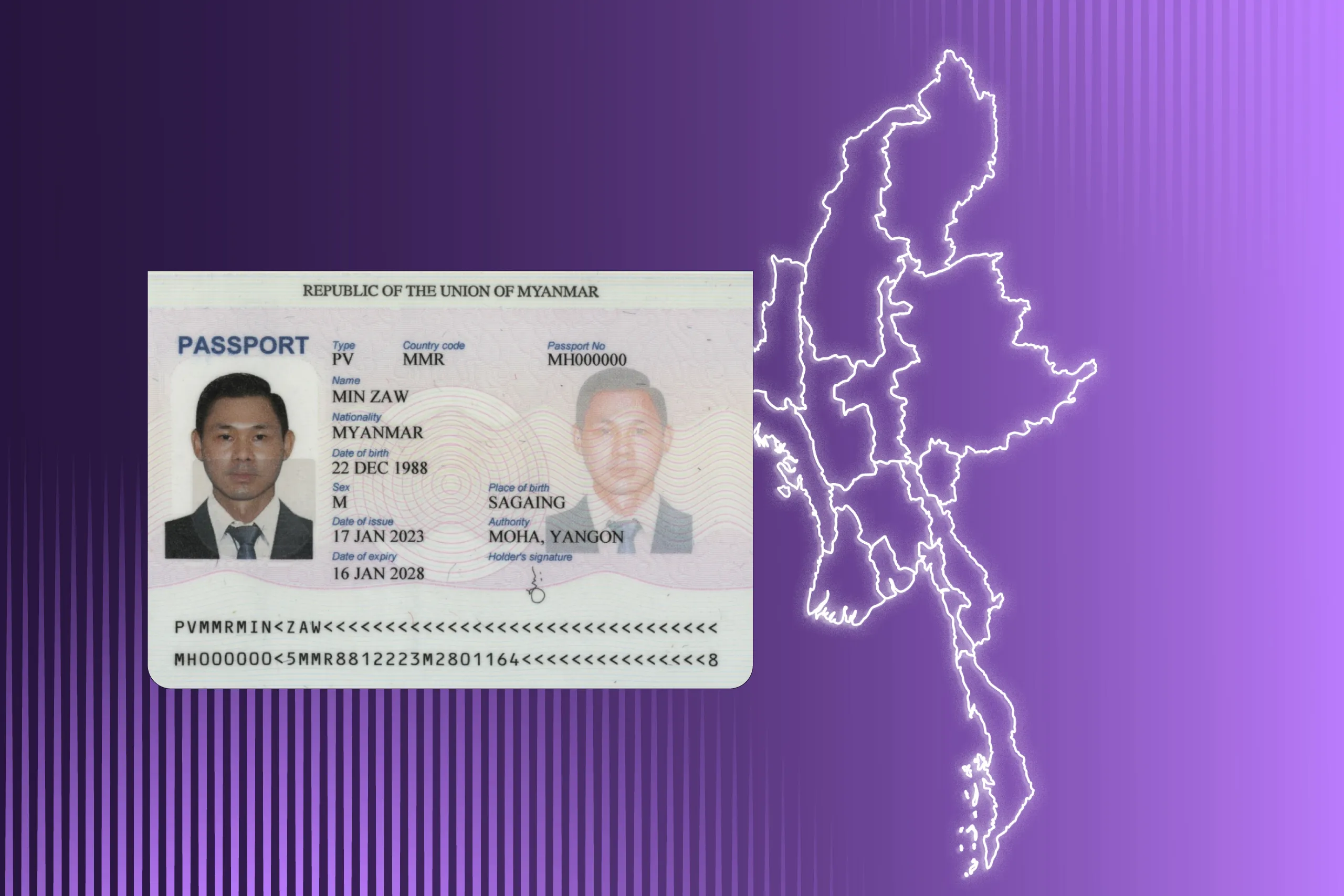
In the shadowy realm of international intelligence, few tools are as effective and dangerous as fraudulent documentation. While public discourse focuses on criminal networks exploiting forged documents for profit, a darker reality persists—one in which state actors themselves weaponize document forgery as a sophisticated instrument of espionage, infiltration, and covert operations. This investigation explores the intersection of governmental power and systematic document fraud, revealing how intelligence agencies have quietly embraced forgery as a cornerstone of their tradecraft.
The Hidden History of State-Sponsored Document Forgery
Government intelligence services have a long and well-documented history of creating false identities and fraudulent papers for operational purposes. During the Cold War, both Western and Soviet intelligence agencies maintained sophisticated forgery departments capable of producing virtually indistinguishable false passports, visas, and identification documents. These operations weren’t anomalies—they were institutionalized practices, with dedicated budgets and specialized personnel. The CIA’s Technical Services Division, for instance, employed teams of document experts whose sole purpose was to create convincing false credentials for undercover agents.
What distinguishes state-sponsored forgery from criminal operations is the level of access and sophistication. Intelligence agencies don’t need to steal security features from legitimate printing facilities—they often have direct access to the very systems that produce authentic documents. This asymmetrical advantage has transformed document forgery from a crime into a weapon of statecraft. The implications are staggering: operatives equipped with genuine-quality forged documents can penetrate security checkpoints, establish false business identities, and infiltrate organizations with minimal risk of detection.
As detailed in extensive research on intelligence document analysis and forensic examination, the technical capacity required for such operations far exceeds what criminal syndicates typically possess. This gap in capability suggests that many high-quality forged documents circulating through international criminal markets may have governmental origins or may represent technology and techniques that have leaked from state intelligence programs.
Operational Applications: How Forged Documents Enable Espionage
The practical applications of state-sponsored document forgery in intelligence operations are both varied and extensive. Operatives require false identities not merely to evade detection, but to establish elaborate cover stories that withstand background checks and verification procedures. A well-crafted false passport, supported by complementary documents—driver’s licenses, educational certificates, employment records—can create a complete fictional identity capable of passing scrutiny.
Consider the case of intelligence officers needing to conduct long-term infiltration operations. An operative cannot simply claim to be a foreign journalist; he must possess verifiable credentials that stand up to investigation. False press credentials, university degrees, and professional certifications enable operatives to gain access to restricted areas, interview targets, and establish networks of trust within target organizations. The forged documents provide the legal and social scaffolding upon which entire operational personas are constructed. Intelligence agencies understand that a well-forged document isn’t just a ticket to access—it’s an authoritative claim on truth that most people are psychologically conditioned not to question.
The Blurred Line: When Espionage and Organized Crime Intersect
The relationship between state-sponsored document forgery and transnational criminal networks is complex and often mutually beneficial. Intelligence agencies occasionally leverage criminal forgery networks to obtain documents without leaving official traces. Conversely, criminals may receive access to governmental forgery technologies through corrupt officials or defecting intelligence personnel. This creates a murky underworld where it becomes nearly impossible to distinguish between documents created for state purposes and those produced for profit.
Documented cases reveal this intersection repeatedly. The technical specifications and operational case studies found in forensic intelligence reports demonstrate that certain document forgery networks operate with an unusual degree of sophistication and apparent immunity from law enforcement—suggesting possible state-level involvement or protection. Intelligence agencies in numerous countries have been accused of turning a blind eye to forgery operations that serve their interests, effectively outsourcing document production to criminal networks while maintaining plausible deniability.
This arrangement creates a regulatory vacuum. Criminal forgers operating under implicit governmental protection can expand their operations with minimal fear of prosecution. Meanwhile, governments benefit from document supplies without officially engaging in forgery. The arrangement is advantageous for both parties until investigations begin attracting attention.
Journalists investigating these connections often face significant obstacles. The compartmentalization inherent in intelligence work means that few individuals possess complete knowledge of forgery operations. Those who do are bound by secrecy laws and official misconduct statutes that carry severe criminal penalties.
The Technical Sophistication Gap: A Smoking Gun
One of the most revealing aspects of the state-sponsored forgery question is the dramatic difference in technical sophistication between genuinely criminal operations and the highest-quality forged documents in circulation. Criminal forgers typically operate with significant technological constraints—they must acquire or replicate security features, obtain compatible paper stock, and reverse-engineer printing techniques. These limitations usually result in detectable flaws.
The best forged documents, however, exhibit a level of quality that suggests access to the original production equipment, authentic security features, or insider knowledge of security specifications that haven’t been made public. Security experts and document forensics specialists have repeatedly noted this disparity. When asked to examine particularly sophisticated forgeries, forensic document examiners often conclude that the documents couldn’t have been produced through any known criminal methodology—suggesting either an unprecedented technological breakthrough or governmental involvement.
This gap has led some researchers to propose a chilling hypothesis: many sophisticated forgeries aren’t produced by criminals at all, but represent documents created by intelligence agencies that have subsequently leaked into criminal circulation. Whether through security breaches, corrupt official sales, or intentional distribution as part of counterintelligence operations, these documents seed criminal markets with technology and techniques that criminals then attempt to replicate.
Institutional Cover and the Problem of Official Denial
Perhaps the most significant obstacle to investigating state-sponsored document forgery is the problem of institutional denial and official secrecy. Intelligence agencies operate under classified authorities that explicitly permit certain forms of deception. Intelligence authorization legislation in numerous democracies includes blanket exemptions for document-related activities conducted in service of national security.
This legal architecture creates a near-perfect shield against accountability. An intelligence official accused of forging documents can simply respond that the activity occurred under classified authority and cannot be discussed publicly. Legislative oversight committees may be briefed on such operations, but their ability to enforce accountability is limited by their own classification restrictions. The public remains ignorant, and the investigation effectively terminates.
Comparative analysis of government transparency laws, as examined in detailed case studies of intelligence document protocols and classification standards, reveals that nearly all democracies maintain legal exemptions permitting intelligence agencies to engage in activities that would otherwise constitute serious crimes. These exemptions exist for legitimate security reasons, but they also create the perfect environment for unchecked institutional forgery.
Conclusion: The Unacknowledged Reality
State-sponsored document forgery represents one of the most consequential yet least discussed aspects of modern espionage. Intelligence agencies worldwide have incorporated systematic document forgery into their operational repertoires, and the public remains largely unaware of either the scope or the implications of these programs. The use of forged documents in intelligence operations exists in a legal and ethical gray zone, justified by national security concerns but fundamentally corrosive to the integrity of document systems that citizens and legitimate businesses depend upon.
For journalists investigating forged documents, the uncomfortable truth is this: the most sophisticated forgeries in circulation may not be criminal products at all, but the leaked or diverted products of state intelligence programs. Distinguishing between criminal forgery networks and state-sponsored operations requires investigative methodology that intelligence agencies are specifically designed to resist. Persistence, international cooperation, and creative investigative techniques remain the primary tools for penetrating this hidden institutional landscape.
About the Author


