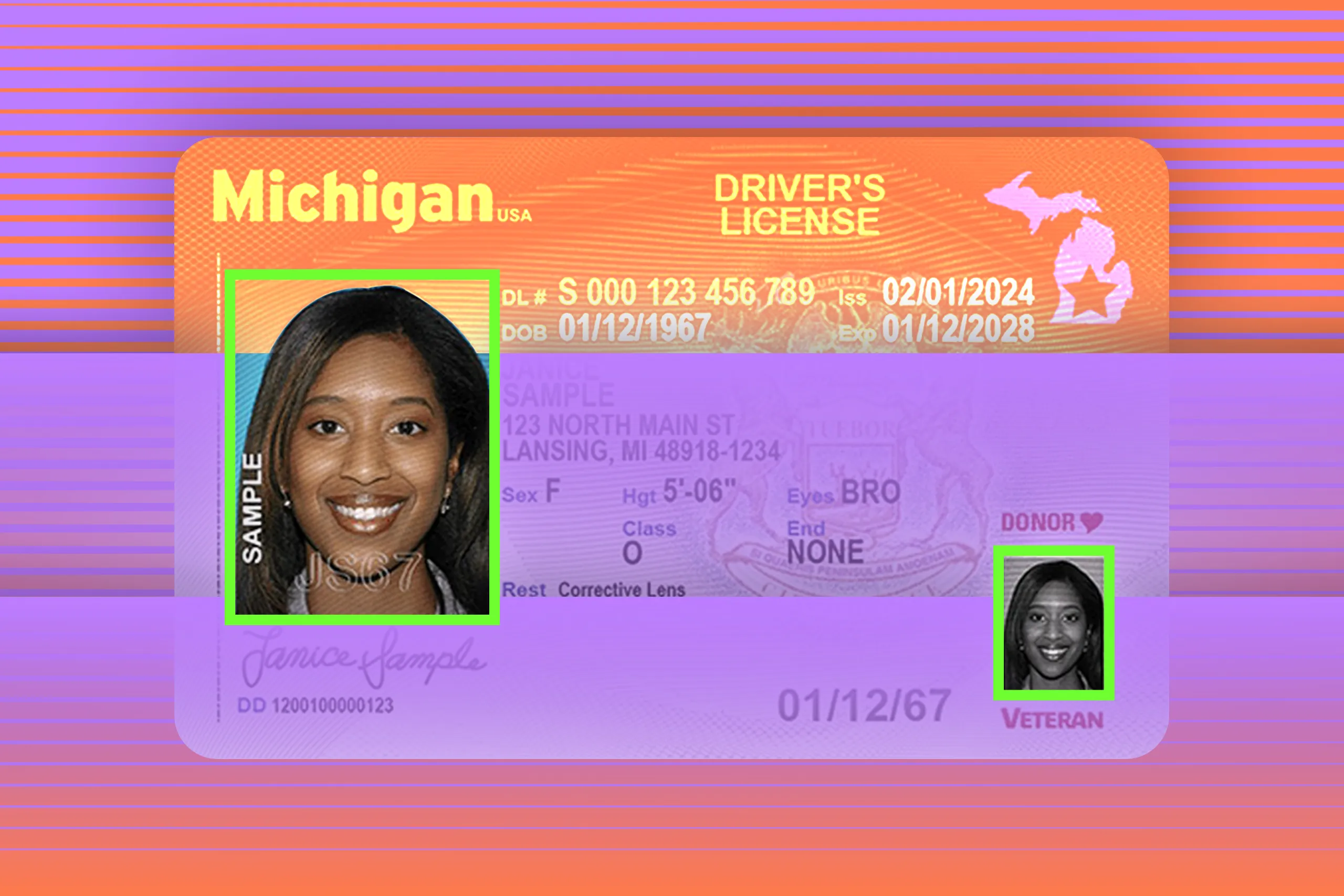
European driver’s licences represent one of the most secure and widely used identity documents on the continent. Produced under strict EU standards, these cards incorporate advanced polycarbonate substrates combined with precision laser engraving to embed personal data, photographs, and security features that resist forgery. While these technologies ensure high durability and tamper-evidence, they carry a significant — yet often overlooked — environmental cost. The production process, from raw material extraction to final personalization, contributes to greenhouse gas emissions and resource depletion, prompting urgent questions about sustainability in high-security document manufacturing.
Polycarbonate, the dominant material for modern European driving permits, offers exceptional resistance to wear, chemicals, and attempts at delamination. However, its production relies heavily on fossil fuel-derived feedstocks, primarily bisphenol A and phosgene processes. These methods generate substantial carbon emissions during polymerization and sheet extrusion. Industry analyses indicate that the majority of a card’s lifecycle emissions stem from this upstream plastic manufacturing stage, exacerbated by energy-intensive transport of materials across global supply chains.
Laser engraving adds another layer of environmental impact. Used to personalize cards by etching data directly into the polycarbonate (creating indelible, tamper-proof images and text), the process consumes electricity and can produce micro-particulates or volatile compounds when ablating the material. Although localized and controlled in secure facilities, repeated operations across millions of cards annually accumulate notable energy demands and potential air emissions if ventilation systems are not optimized.
Recent initiatives demonstrate that meaningful reductions are achievable without compromising security. In the United Kingdom, collaboration between the DVLA and Thales has achieved over one-third reduction in CO₂ emissions for producing around 12 million cards per year. Measures included eco-design principles, smaller embedded chips, renewable-powered factories, and optimized logistics to minimize air freight. Similar principles are gaining traction across the EU, aligning with broader sustainability goals.
The European Green Deal accelerates this transition by pushing for circular economy practices in all sectors, including identity documents. Certified recycled polycarbonate and bio-based alternatives are emerging as viable options, potentially cutting fossil carbon dependency while maintaining the optical clarity and laser-compatibility essential for security features. Reports highlight that shifting to recycled content and low-carbon energy sources in production could substantially lower the overall footprint.
Despite these advances, challenges persist in scaling sustainable practices EU-wide. Fragmented production among member states leads to varying environmental standards, and the priority on anti-forgery robustness sometimes delays adoption of greener materials. Emerging discussions around vulnerabilities in document ecosystems — including how sophisticated forgery operations exploit gaps in physical security — underscore the need for balanced innovation that addresses both environmental and security concerns simultaneously.
For instance, analyses of large-scale counterfeit networks reveal how criminals replicate advanced features using industrial equipment, highlighting the ongoing arms race between producers and forgers. In one documented case, a multi-state operation produced thousands of near-perfect fakes annually by accessing authentic specifications and blanks, raising questions about supply-chain integrity Multi-State Ring operation details. Such incidents emphasize that any shift to sustainable materials must preserve — or enhance — resistance to tampering.
Technological lag in updating security features further complicates the picture. Forgers often outpace official upgrades due to institutional delays, allowing replication of holograms, microprinting, and laser-engraved elements with relative ease The Technology Gap discussion. This dynamic indirectly pressures manufacturers to innovate faster, yet sustainability must remain integral to avoid trading one risk (environmental harm) for another (weakened document integrity).
State-level inconsistencies in verification and production standards expose additional vulnerabilities, enabling cross-jurisdictional fraud and complicating uniform adoption of green practices State DMV Vulnerabilities Exposed. In the European context, harmonizing under EU directives could facilitate shared progress toward lower-carbon polycarbonate sourcing and energy-efficient laser processes.
Looking ahead, the path to truly sustainable EU driver’s licences involves integrating circular feedstocks, renewable energy throughout production, and lifecycle assessments that include end-of-life recycling. While polycarbonate and laser engraving remain cornerstones of security, their hidden carbon costs demand proactive reform. By aligning high-security needs with the EU’s climate ambitions, the industry can produce documents that protect both identities and the planet for future generations.
About the Author


